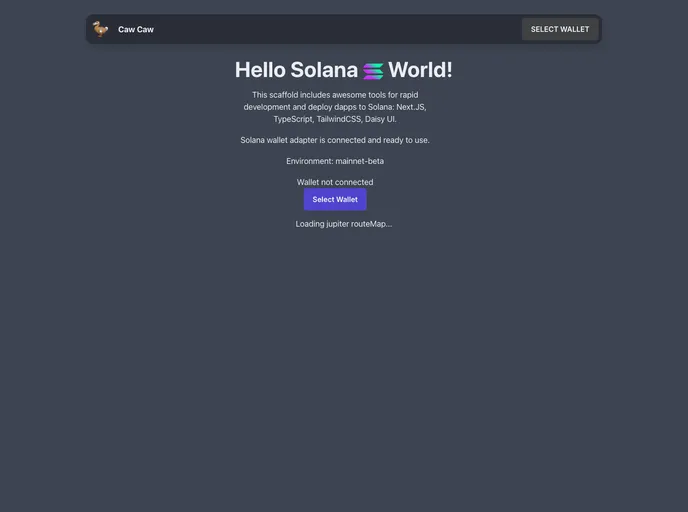
An exciting development in the world of web applications is the Jupiter API Next.js example, which is becoming an essential tool for developers looking to streamline their projects. This example demonstrates how to leverage the powerful features of Next.js while integrating the efficient capabilities of the Jupiter API. Whether you’re building a dynamic application or improving existing functionality, this guide provides the foundational knowledge needed to get started smoothly.
Features:
- Easy Setup: Quickly get your application up and running with simple commands, allowing you to focus on development rather than configuration.
- Real-time Data Management: The Jupiter API facilitates seamless data interactions, enabling you to create applications that react to user inputs and server changes instantly.
- Server-side Rendering: Leverage Next.js’s ability to pre-render pages, which enhances performance and SEO, giving your application an edge in speed and visibility.
- Component-based Architecture: Build reusable components that streamline your development process, making it easier to maintain and expand your application over time.
- Scalability: Designed to grow with your project, you can easily add new features and functionalities without sacrificing performance.
- Rich Ecosystem: Tap into the vast Next.js ecosystem to access libraries and tools that can further enhance your application.