Overview
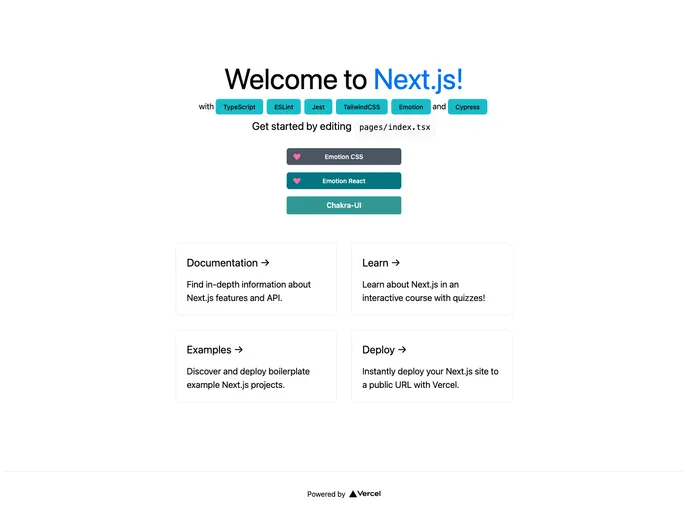
Thank U, Next is a developer-friendly template for building Next.js applications, designed with a focus on productivity and a clean, maintainable codebase. This setup leverages TypeScript, ESLint, Prettier, and various testing libraries to streamline the development process and implement a test-driven development (TDD) approach. By providing a robust configuration, it allows developers to focus on creating features while ensuring code quality and reliability.
With its inclusion of popular UI libraries and testing tools, this template is ideal for both new and experienced developers who want to establish a standard workflow. Whether you’re working on a small project or a larger application, this Next.js app template sets the foundation for a scalable development experience.
Features
- TypeScript Support: Built-in TypeScript integration ensures type-safety and enhances code quality, making refactoring simpler and reducing runtime errors.
- ESLint and Prettier: Integrated linting and formatting tools enforce consistent coding styles, helping teams to maintain a cleaner codebase.
- Husky for Git Hooks: Automatically runs linters and formatters on every commit, ensuring that only clean and formatted code is pushed to the repository.
- Comprehensive Testing Setup: Includes Jest for unit testing, Cypress for end-to-end testing, and Storybook for UI testing, enabling a thorough validation of applications before deployment.
- Tailwind CSS and Chakra UI: Combines Tailwind CSS for styling with Chakra UI for easy-to-use components, promoting responsive and functional design without the hassle.
- Easy Deployments: Simple commands facilitate deployment on Vercel, streamlining the process of getting your app live with minimal effort.
- GitHub Actions Integration: Automatically runs all tests with GitHub Actions, ensuring that the code meets quality standards before being merged.
- Scalable Development Workflow: Encourages a test-first mentality, allowing developers to write tests before features to maintain high test coverage and reduce technical debt over time.